Most homeowners don’t think about their roof, siding, or gutters until there’s an obvious problem.
A leak. A stain. Water where it shouldn’t be.
But by the time those signs show up, the issue has often been developing for months. What starts as a small, fixable problem can quickly turn into a larger, more expensive repair.
The key is catching issues early before they make their way inside your home.
What starts small doesn’t stay small
Exterior systems are designed to work together to keep water out. When one part starts to fail, it puts stress on everything around it.
Common early-stage issues include:
- Loose or missing shingles
- Small flashing gaps around chimneys or vents
- Cracked or warped siding panels
- Gutters pulling away or not draining properly
- Clogged downspouts causing water backup
These may not seem urgent at first, but they create openings for moisture to get in. Once it does, the damage spreads quickly.
Why leaks are often the last sign, not the first
Many homeowners assume a leak is the first sign of a problem. In reality, it’s usually one of the last.
Before water shows up inside, it may already be:
- Soaking into roof decking
- Damaging insulation
- Creating mold or mildew behind walls
- Weakening structural components over time
By the time you notice water inside your home, repairs often go beyond a simple fix.
The role gutters play in preventing bigger problems
Gutters are one of the most overlooked parts of your home’s exterior but they play a critical role.
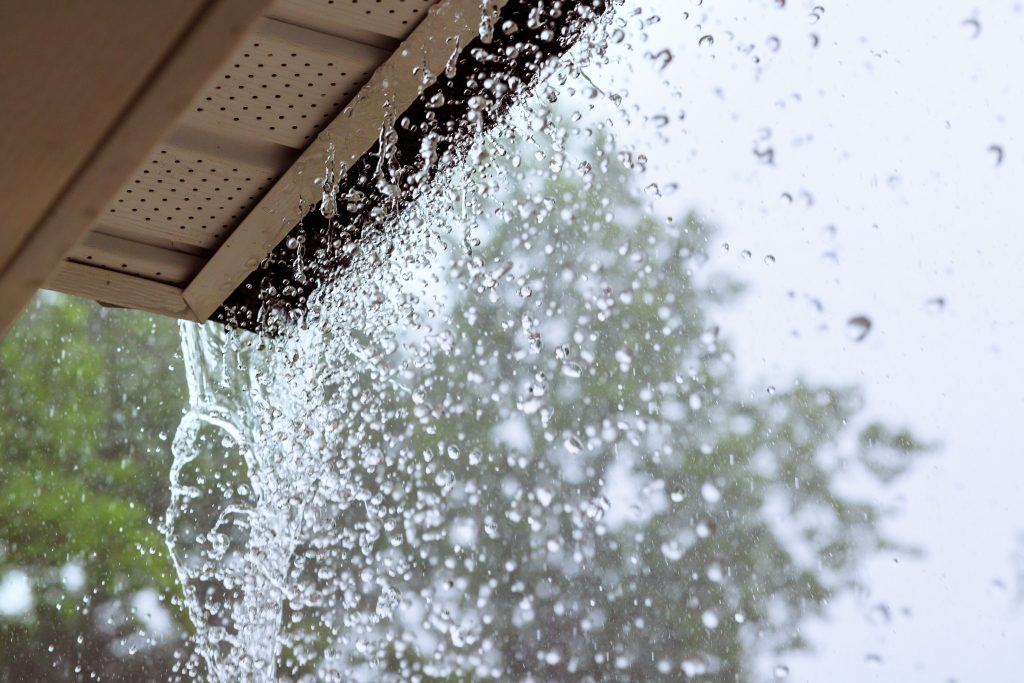
When gutters aren’t working properly, water doesn’t move away from your home the way it should. Instead, it can:
- Back up under shingles
- Overflow against siding
- Pool near your foundation
Even a minor gutter issue can contribute to roof and siding damage if left unaddressed.
When to bring in a professional
Not every issue requires a full replacement. In many cases, early repairs can extend the life of your roof and exterior.
It’s worth scheduling an inspection if you notice:
- Areas of your roof that look uneven or worn
- Gutters sagging or overflowing during rain
- Siding that appears loose, cracked, or faded in spots
- Any signs of water where it shouldn’t be
An inspection-based approach helps identify what actually needs attention and what doesn’t.
Address problems early, avoid bigger repairs later
Exterior issues don’t fix themselves. But they also don’t have to turn into major projects.
Catching small problems early gives you more options, lower costs, and fewer surprises down the road.
If something looks off, it’s worth taking a closer look now before it turns into something more.
Schedule a professional evaluation and have peace of mind knowing your home is protected.