
Waunakee storm claims are more often about wind than hail, and wind damage repair is the harder claim to get paid for. Hail leaves marks an adjuster is trained to read. Wind leaves a roof that looks completely normal and has lost its seal across an entire elevation — and insurers have a standing argument that what you are looking at is wear.
Local conditions
Four things happen to a roof in a wind event, and only one of them is obvious from the driveway.
The invisible loss
Wind lifts a shingle, breaks the adhesive bond, and sets it back down. From the ground the roof is perfect. The shingle is now a flap waiting for the next event. Left alone, an unsealed elevation usually ends in a full Waunakee roof replacement. This is the most common wind damage in Waunakee and the most commonly denied, because proving it requires someone on the roof lifting tabs by hand.
The evidence
When a shingle folds back and returns, it creases along the fold. A crease is physical, permanent evidence of a wind event and it is what a good inspection documents. It does not go away and it cannot be argued into wear.
Visible loss
Missing ridge cap or peeled rake courses. If the deck is open to the weather, start with emergency roof repair in Waunakee. Obvious, easy to claim, and usually the part of the damage that gets approved while the broken seals across the rest of the field do not.
The argument you will get
Insurers push back on wind claims by attributing seal failure to age. On a roof under fifteen years old that argument is much weaker, and creasing plus a documented storm date is what defeats it. Date-of-loss matters more on a wind claim than on a hail claim.
Emergency response first, then a documented claim and a proper repair — across every exterior trade.
We lift tabs across each elevation to find broken seals. You cannot see this from a drone pass or from the ground.
Photographed and mapped. Creasing is the physical evidence that separates storm damage from wear.
Matching the damage to a recorded wind event in the NOAA Storm Events Database, which matters more on a wind claim than a hail one.
On the roof, lifting tabs. This is where a wind claim is won or lost, and it is the center of how our insurance restoration works.
When the scope covers visible ridge loss and skips the field, we file for the difference.
If we think the seal failure is age rather than wind, we will tell you. A denied claim helps nobody.
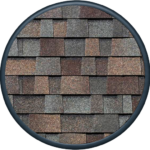
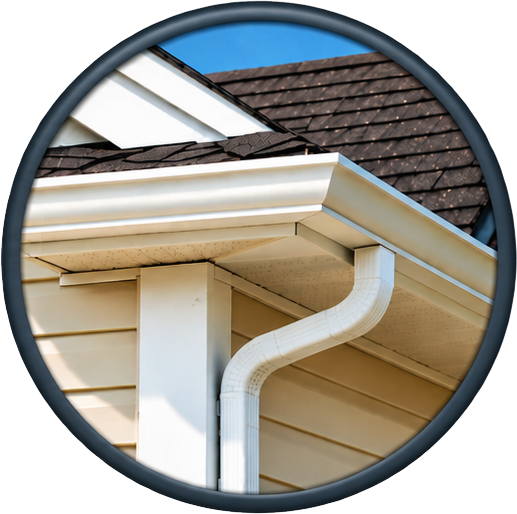
See everything we do as an exterior contractor in Waunakee!
Details that matter
On a wind claim the date matters more than it does on hail, so the order changes slightly from our full post-storm inspection checklist.
| 1. Note the date | Before anything else |
|---|---|
| 2. Photograph from the ground | Any visible loss |
| 3. Get an inspection | Seals checked by hand |
| 4. File the claim | You file, we support |
| 5. Do not repair first | It ruins the claim |
| 6. You choose the contractor | Not your insurer |
Pricing
The honest version, because this is where homeowners get surprised.
| Item | Notes | Your Cost |
|---|---|---|
| Inspection and documentation | Always | FREE |
| Emergency tarping | Usually claimable | $0–$800 |
| Approved roof replacement | You pay | Your deductible |
| Supplement work | Insurer pays if approved | $0 to you |
Your deductible is what you owe on an approved claim. Be cautious with any contractor offering to waive, cover or rebate it — in Wisconsin that arrangement creates real legal exposure for the homeowner as well as the contractor.
Your local exterior experts
“Exteriors Co replaced my siding after hail damage. They were the only contractors I solicited who took the time to sit down and go over insurance claims with me. They caught items insurance did not include and solicited additional money from my insurance to cover. I was pleased with the interactions and the siding work.”
– Duane H.
“…Jeremy Arrington from The Exterior Company for helping us during an emergency after the heavy rain and thunderstorms. … Jeremy responded immediately and arrived within 30 minutes. … he came up with a temporary solution and went back onto the roof in the pouring rain to make the repair.”
– Kavita B.
“I reached out to this company for a free roof inspection, and I was very impressed with the experience. … he did not try to upsell me or recommend unnecessary work. … I really appreciate the straightforward and trustworthy experience and would definitely recommend this company to anyone looking for roof inspection or repair services.”
– Kiran H.
“The highlights were communication, quality of work, price, and customer service. … The Exteriors Company could teach a master class on contractor/customer interactions. If you need exterior work done, call The Exteriors Company!”
– Heather L.
“The crew that was at my house did a great job. I highly recommend the exteriors company. They worked with my schedule and did a great job with clean up after.”
– Katie H.
Waunakee Gutter questions
This is the central Waunakee question and the answer is yes, frequently. Wind lifts shingles, breaks the adhesive seal, and sets them back down looking untouched. The roof is now unsealed across that elevation and the next event will take the shingles off. Finding it requires someone lifting tabs by hand, which is why it gets missed.
That is the standard pushback on wind claims and it is beatable with the right evidence. Creasing — the fold line where a shingle bent back and returned — is physical proof of a wind event and it does not occur from age. If we documented creasing and you have a recorded storm date, that is the basis for a reinspection request.
More than on a hail claim. On a roof under about fifteen years old the wear argument is weak and creasing usually carries it. On a twenty-year-old roof insurers push harder, and your policy type — replacement cost versus actual cash value — starts to matter a great deal. Check your declarations page before you file.
It depends on your policy, and many carriers set a window of roughly one year from the date of loss. The clock runs from the storm date, which is why noting the date at the time matters more on wind than on hail — hail leaves marks that keep, and a broken seal does not announce when it happened. Here is how a roof damage claim works start to finish.
No. You choose who works on your home. Insurers can suggest a preferred vendor, but the decision is yours, and a preferred vendor’s obligation runs partly to the carrier that sends them work — which matters most on exactly the claims where damage is disputed. It is also why local contractors beat storm chasers on disputed claims.
Wind-driven rain and debris hit the whole exposed elevation, not just the roof. If your roof claim was approved, the siding, gutters and screens on the windward side are worth inspecting before the claim closes — reopening it afterward is much harder.
Built for Wisconsin · Backed by Expertise
Get your free, no-obligation inspection today.